


Van bi chủ yếu được sử dụng làm thiết bị đóng/mở. Thiết kế của chúng hạn chế khả năng điều khiển lưu lượng chính xác. Hạn chế này có thể ảnh hưởng đến hiệu quả của chúng trong một số ứng dụng phòng cháy chữa cháy. Dưới đây là một số điểm chính liên quan đến van bi:fire protection valvesvan bi:Chức năng Bật/TắtVan bi có ưu điểm là nhanh chóng đóng hoặc cho phép dòng chảy chất lỏng. Tuy nhiên, chúng hoạt động không hiệu quả khi người vận hành cần điều chỉnh lưu lượng một cách từ từ.Các vấn đề về giới hạn tốc độKhi mở một phần, van bi có thể tạo ra dòng chảy rối. Dòng chảy rối này có thể dẫn đến giảm áp suất và lưu lượng không ổn định. Hiện tượng này có thể cản trở hiệu suất của hệ thống chữa cháy.Điều tiết dòng chảyVan bi không phù hợp cho các ứng dụng yêu cầu điều chỉnh lưu lượng chính xác. Thiết kế của chúng không cho phép điều chỉnh dần dần. Hạn chế này có thể gây ra vấn đề trong những trường hợp cần cung cấp nước chính xác.MẹoĐối với các ứng dụng yêu cầu điều chỉnh lưu lượng, hãy cân nhắc sử dụng van cổng hoặc các loại van khác được thiết kế để điều tiết lưu lượng.
Bảng dưới đây tóm tắt khả năng điều khiển lưu lượng của van bi so với van cổng:
- Loại van
- Khả năng kiểm soát dòng chảy
- Trường hợp sử dụng lý tưởng
- Van biGiới hạn
- Dịch vụ bật/tắtVan cổng
Vừa phải
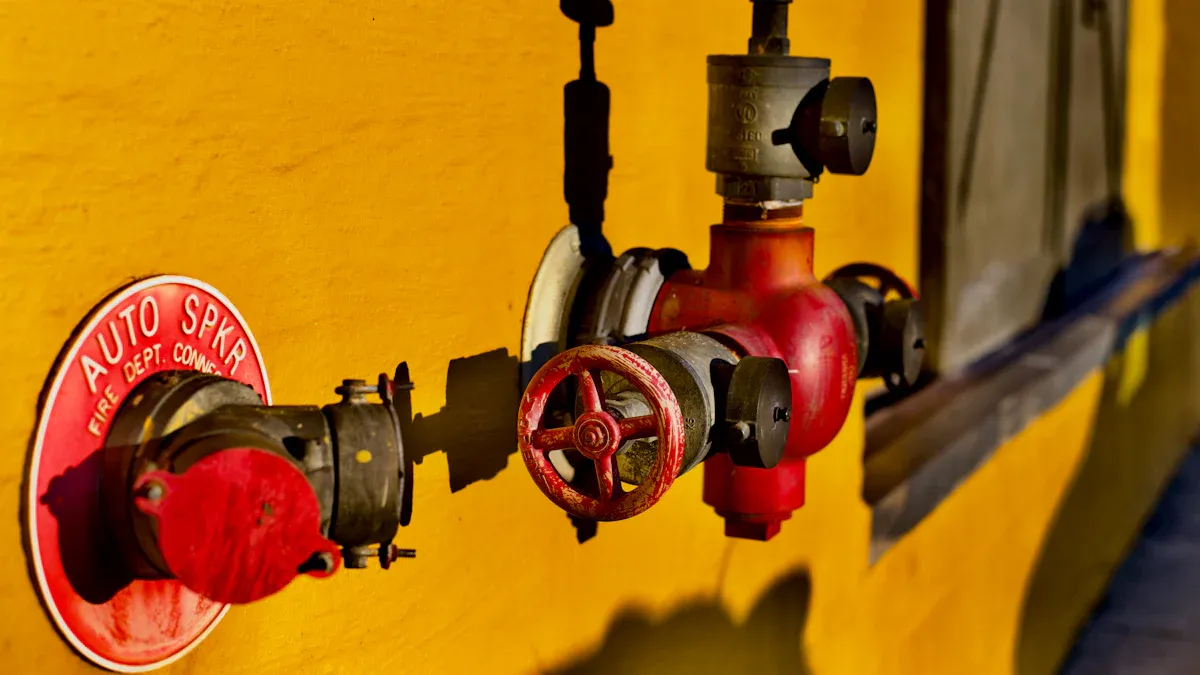
Điều tiết lưu lượng và lưu lượngỨng dụng trong hệ thống phòng cháy chữa cháyVan an toàn cháy đóng vai trò quan trọng trong nhiều ứng dụng khác nhau của hệ thống phòng cháy chữa cháy. Việc lựa chọn van phụ thuộc vào các yêu cầu vận hành cụ thể và bản chất của chiến lược phòng cháy chữa cháy. Dưới đây là một số ứng dụng chính của cả van cổng và van bi trong hệ thống phòng cháy chữa cháy:
| 1. Hệ thống phun nước chữa cháy | Ball Valves | Gate Valves |
|---|---|---|
| Hệ thống ống dẫn nước chữa cháy, thường thấy trong các tòa nhà thương mại, dựa vào các van phòng cháy chữa cháy để đảm bảo cung cấp đủ nước cho công tác chữa cháy. Van cổng thường được sử dụng để cô lập các phần của hệ thống, trong khi van bi giúp vận hành nhanh chóng để tiếp cận nước ngay lập tức. | 3. Hệ thống trụ cứu hỏa | Hệ thống trụ cứu hỏa cần có các van đáng tin cậy và hiệu quả để đảm bảo lính cứu hỏa có thể tiếp cận nước nhanh chóng. Van cổng thường được lắp đặt ở đường ống cấp nước chính để kiểm soát lưu lượng nước đến các trụ cứu hỏa. Van bi cũng có thể được sử dụng để đóng nhanh trong các tình huống khẩn cấp. |
| 4. Hệ thống Đại hồng thủy và Tiền hành động | Trong các hệ thống chữa cháy bằng cách phun nước và kích hoạt trước, van chữa cháy đóng vai trò quan trọng trong việc kiểm soát lưu lượng nước đến các đầu phun. Van cổng có thể cô lập các phần của hệ thống để bảo trì, trong khi van bi cho phép kích hoạt nhanh chóng dòng nước khi cần thiết. | 5. Ứng dụng công nghiệp |
| Flow Regulation | 6. Phòng cháy chữa cháy nhà ở | Hệ thống phòng cháy chữa cháy dân dụng cũng được hưởng lợi từ việc sử dụng van phòng cháy chữa cháy. Van cổng cung cấp khả năng đóng ngắt đáng tin cậy, trong khi van bi đảm bảo tiếp cận nhanh chóng nguồn nước cho công tác chữa cháy. |
| Durability | Khi lựa chọn van cho hệ thống phòng cháy chữa cháy, cần xem xét các yêu cầu ứng dụng và vận hành cụ thể. Mỗi loại van đều có những ưu điểm riêng biệt có thể nâng cao hiệu suất hệ thống. | Các trường hợp thích hợp để sử dụng van cổng |
| Van cổng đặc biệt hiệu quả trong nhiều tình huống khác nhau trong hệ thống phòng cháy chữa cháy. Thiết kế và chức năng của chúng làm cho chúng phù hợp với các ứng dụng cụ thể, nơi mà | kiểm soát dòng chảy đáng tin cậy | Điều này rất cần thiết. Dưới đây là một số trường hợp lý tưởng để sử dụng van cổng: |
Ngắt nguồn cung cấp nước chính
Van cổng đóng vai trò là cơ chế ngắt chính cho nguồn cấp nước chính trong hệ thống phòng cháy chữa cháy. Chúng cho phép đóng kín hoàn toàn trong quá trình bảo trì hoặc trường hợp khẩn cấp, đảm bảo hệ thống vẫn an toàn và hoạt động bình thường.Ứng dụng áp suất caoTrong môi trường có áp suất cao, van cổng thể hiện ưu điểm vượt trội. Cấu trúc chắc chắn của chúng có thể chịu được áp suất đáng kể mà không ảnh hưởng đến hiệu suất. Độ bền này làm cho chúng trở nên lý tưởng cho môi trường công nghiệp.
Đường ống có đường kính lớn
Van cổng thường được sử dụng trong các đường ống có đường kính lớn, nơi cần kiểm soát lưu lượng. Thiết kế của chúng giúp giảm thiểu sự cản trở dòng chảy, cho phép cung cấp nước hiệu quả trong trường hợp khẩn cấp.
Hệ thống trụ cứu hỏa
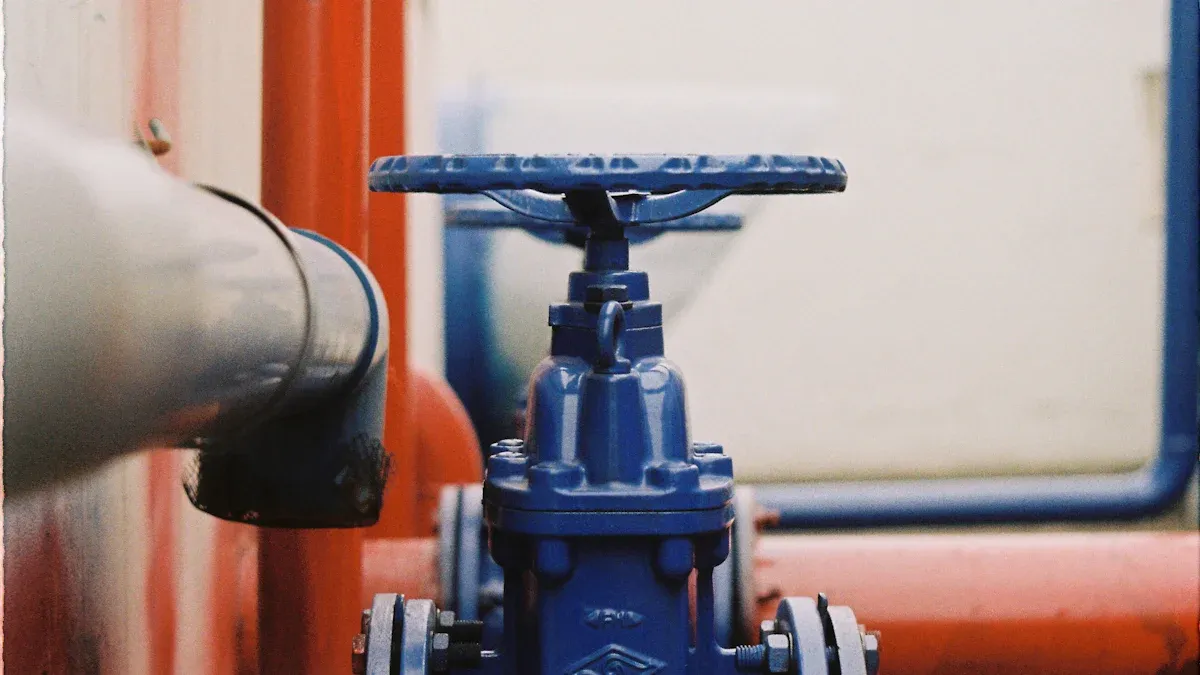
Van cổng thường được lắp đặt trong hệ thống trụ cứu hỏa. Chúng giúp cách ly nguồn nước một cách đáng tin cậy, đảm bảo lính cứu hỏa có thể tiếp cận nước nhanh chóng khi cần thiết.Van cổng có phù hợp cho các ứng dụng điều tiết lưu lượng không?Trong hệ thống ống đứng, van cổng cho phép cô lập các đoạn cụ thể. Khả năng này rất quan trọng cho việc bảo trì và đảm bảo các bộ phận khác của hệ thống vẫn hoạt động bình thường.
- Ball ValvesKhi lựa chọn van cổng cho hệ thống phòng cháy chữa cháy, cần xem xét các yêu cầu ứng dụng và vận hành cụ thể. Khả năng đóng ngắt đáng tin cậy và chịu được áp suất cao khiến chúng trở thành một bộ phận quan trọng trong nhiều tình huống khác nhau.
- Gate ValvesVan bi đặc biệt hiệu quả trong nhiều tình huống khác nhau trong hệ thống phòng cháy chữa cháy. Thiết kế và hiệu quả hoạt động của chúng làm cho chúng phù hợp với các ứng dụng cụ thể, nơi cần phản ứng nhanh và độ tin cậy cao. Dưới đây là một số tình huống lý tưởng để sử dụng van bi:
Tắt khẩn cấp
Van bi rất hiệu quả trong các tình huống cần đóng ngắt nhanh chóng. Cơ chế xoay một phần tư vòng cho phép đóng ngắt ngay lập tức, điều này rất quan trọng trong các trường hợp khẩn cấp về hỏa hoạn. Lính cứu hỏa có thể nhanh chóng tiếp cận nguồn nước, đảm bảo phản ứng kịp thời.
Hệ thống áp suất caoVan cổng có phù hợp cho các ứng dụng điều tiết lưu lượng không?Đường ống cấp nước
Gate Valves
- Đối với hệ thống phòng cháy chữa cháy, cần xem xét khả năng vận hành nhanh và tổn thất áp suất thấp. Những đặc điểm này giúp nâng cao hiệu suất và độ tin cậy tổng thể của hệ thống.Trong hệ thống phun nước chữa cháy, van bi giúp kích hoạt nhanh chóng. Chúng cho phép nước chảy ngay lập tức đến các đầu phun, tăng cường hiệu quả dập lửa.
- Hệ thống DelugeVan bi đóng vai trò quan trọng trong hệ thống phun nước chữa cháy, nơi cần xả nước nhanh chóng. Thiết kế của chúng cho phép vận hành nhanh, đảm bảo nước đến được các khu vực cần thiết mà không bị chậm trễ.
- Ứng phó nhanh chóng trong các vụ cháy.: Khi
Ball Valves
- Đối với hệ thống phòng cháy chữa cháy, cần xem xét khả năng vận hành nhanh và tổn thất áp suất thấp. Những đặc điểm này giúp nâng cao hiệu suất và độ tin cậy tổng thể của hệ thống.Loại ứng dụng
- Lợi ích chínhTắt khẩn cấp
- Ứng phó nhanh chóng trong các vụ cháy.Hệ thống áp suất caoGiữ vững sự chính trực dưới áp lựcĐường ống cấp nước
TipHệ thống phun nước
Kích hoạt dòng nước tức thì
Hệ thống Deluge
- Giải phóng nước nhanh để ngăn chặn sự tấn công.Hiệu quả tổng thể của hệ thống phòng cháy chữa cháy
- Hiệu quả củavan bảo vệ chống cháy
- Van cổng và van bi đóng vai trò quan trọng trong việc đảm bảo dòng chảy nước ổn định trong trường hợp khẩn cấp, ảnh hưởng đáng kể đến hiệu suất của hệ thống phòng cháy chữa cháy. Đặc tính riêng biệt của chúng góp phần vào hiệu quả tổng thể của công tác dập lửa.Van cổng rất hiệu quả trong các ứng dụng yêu cầu đóng ngắt hoàn toàn dòng chảy. Chúng cung cấp một phương tiện đáng tin cậy để cô lập các phần của hệ thống phòng cháy chữa cháy. Khả năng này rất cần thiết trong quá trình bảo trì hoặc trường hợp khẩn cấp. Van cổng cho phép lưu lượng lớn, đảm bảo nước đến được các khu vực quan trọng khi cần thiết. Cấu trúc chắc chắn của chúng chịu được áp suất cao, làm cho chúng phù hợp với nhiều môi trường khác nhau.
- Mặt khác, van bi mang lại khả năng vận hành nhanh chóng và tổn thất áp suất thấp. Cơ chế xoay một phần tư vòng của chúng cho phép tiếp cận nguồn nước nhanh chóng, điều này rất quan trọng trong các sự cố hỏa hoạn. Lính cứu hỏa có thể nhanh chóng kích hoạt van bi, đảm bảo cấp nước ngay lập tức.dòng nước
- Phản ứng nhanh chóng này có thể tạo ra sự khác biệt đáng kể trong việc kiểm soát đám cháy một cách hiệu quả. Ngoài ra, van bi duy trì khả năng bịt kín, ngăn ngừa thất thoát nước và tăng cường độ tin cậy của hệ thống.Hiệu suất trong tình huống khẩn cấp
Trong các tình huống khẩn cấp, hiệu suất của van chữa cháy trở nên vô cùng quan trọng. Cả van cổng và van bi đều đóng vai trò riêng biệt trong việc đảm bảo hiệu quả chữa cháy.
đặc tính vận hànhcó thể ảnh hưởng đáng kể đến kết quả của các hoạt động dập lửa.Van cổng
| Valve Type | Van bi | Ngược lại, van bi mang lại khả năng vận hành nhanh chóng. Cơ chế xoay một phần tư vòng của chúng cho phép tiếp cận nguồn nước ngay lập tức. Việc kích hoạt nhanh chóng này rất cần thiết trong các sự cố hỏa hoạn, nơi thời gian là yếu tố then chốt. Lính cứu hỏa có thể nhanh chóng vận hành van bi, đảm bảo nước chảy đến các khu vực cần thiết mà không bị chậm trễ. Ngoài ra, van bi duy trì độ sụt áp thấp, giúp duy trì áp suất nước trong toàn hệ thống. |
|---|---|---|
| Gate Valve | Đáng tin cậy để ngắt hoàn toàn nhưng hoạt động chậm hơn. | Đáng tin cậy để ngắt hoàn toàn nhưng hoạt động chậm hơn. |
| Ball Valve | Độ tin cậy lâu dài của van phòng cháy chữa cháy | Độ tin cậy lâu dài của van phòng cháy chữa cháy |
Độ tin cậy lâu dài là yếu tố then chốt đối với van phòng cháy chữa cháy, vì các bộ phận này đóng vai trò quan trọng trong việc đảm bảo an toàn trong các trường hợp khẩn cấp. Cả van cổng và van bi đều có những đặc điểm riêng biệt ảnh hưởng đến độ tin cậy của chúng theo thời gian.
- Van cổng
- Độ bền
- Van cổng thường được chế tạo từ các vật liệu bền chắc, chẳng hạn như thép không gỉ hoặc đồng thau. Những vật liệu này giúp tăng khả năng chịu được áp suất và nhiệt độ cao, góp phần kéo dài tuổi thọ của van.
- Yêu cầu bảo trì
- Bảo trì định kỳ là rất cần thiết đối với van cổng. Người vận hành nên kiểm tra các gioăng và các bộ phận bên trong để ngăn ngừa rò rỉ. Việc bỏ qua bảo trì có thể dẫn đến giảm độ tin cậy và nguy cơ hỏng hóc vào những thời điểm quan trọng.
- Van bi
- Nhu cầu bảo trì thấp
- Van bi thường cần ít bảo trì hơn van cổng. Thiết kế của chúng giúp giảm thiểu hao mòn, cho phép chúng hoạt động hiệu quả trong thời gian dài.
- Khả năng chống ăn mòn
- Nhiều van bi sử dụng vật liệu chống ăn mòn. Tính năng này giúp tăng độ tin cậy của chúng, đặc biệt trong môi trường tiếp xúc với hóa chất mạnh hoặc điều kiện khắc nghiệt.
- Mẹo
Để tối đa hóa độ tin cậy lâu dài của van phòng cháy chữa cháy, các tổ chức nên thực hiện lịch kiểm tra định kỳ. Việc kiểm tra thường xuyên có thể phát hiện các vấn đề tiềm ẩn trước khi chúng trở nên nghiêm trọng, đảm bảo rằng van vẫn hoạt động khi cần thiết.Van cổng và van bi đều có những ưu điểm và nhược điểm riêng trong hệ thống phòng cháy chữa cháy.Van cổng
Nổi bật trong việc cung cấp khả năng ngắt tự động đáng tin cậy và lưu lượng dòng chảy cao.
Van bi
- Chúng nổi bật nhờ khả năng vận hành nhanh và độ giảm áp suất thấp.Tóm lại, việc lựa chọn giữa các loại van này phụ thuộc vào nhu cầu cụ thể của hệ thống chữa cháy và các yêu cầu vận hành.MẹoĐánh giá các yêu cầu riêng biệt của từng ứng dụng để xác định giải pháp tối ưu nhất.
- loại van phù hợpđể đạt hiệu suất tối ưu.Câu hỏi thường gặpĐiểm khác biệt chính giữa van cổng và van bi là gì?
Van cổng cung cấp khả năng điều khiển đóng/mở đáng tin cậy, trong khi van bi cho phép vận hành nhanh hơn với tổn thất áp suất tối thiểu. Điều này làm cho van bi phù hợp hơn trong các tình huống khẩn cấp.Van cổng có phù hợp cho các ứng dụng điều tiết lưu lượng không?Van cổng có thể được sử dụng để điều tiết lưu lượng, nhưng chúng không phải là lý tưởng cho mục đích này. Thiết kế của chúng chủ yếu là để đóng ngắt hoàn toàn dòng chảy.
| Van phòng cháy chữa cháy cần được bảo dưỡng định kỳ như thế nào? | Bảo trì định kỳ là điều cần thiết đối với cả van cổng và van bi. Kỹ thuật viên nên kiểm tra chúng ít nhất một lần mỗi năm để đảm bảo hoạt động đúng cách và ngăn ngừa rò rỉ. |
|---|---|
| Van bi có thể xử lý chất lỏng bẩn không? | Van bi gặp khó khăn khi xử lý chất lỏng có chứa chất rắn hoặc cặn bẩn. Các chất gây ô nhiễm có thể ngăn cản quá trình làm kín, dẫn đến nguy cơ rò rỉ trong hệ thống phòng cháy chữa cháy. |
| Những yếu tố nào ảnh hưởng đến sự lựa chọn giữa van cổng và van bi? | Việc lựa chọn phụ thuộc vào nhu cầu ứng dụng cụ thể, chẳng hạn như thời gian phản hồi yêu cầu, điều khiển lưu lượng và điều kiện áp suất. Hãy đánh giá các yếu tố này để xác định loại van phù hợp nhất. |
| Thời gian đăng bài: 20/03/2026 | Liên hệ |
Hãy ghé thăm chúng tôiCÔNG TY TNHH Thiết bị Phòng cháy Chữa cháy Thế giới Chiết GiangHãy gọi cho chúng tôi
13685872522
13968219316
- Email của chúng tôiGửi yêu cầu
- tiếng HànGửi email
- WhatsAppNhấn Enter để tìm kiếm hoặc ESC để đóng.
- Tiếng Anhtiếng Pháp
- tiếng Đứctiếng Bồ Đào Nha
tiếng Tây Ban Nha
| Tiếng Nga | tiếng Kazakh |
|---|---|
| tiếng Hàn | tiếng Ả Rập |
| người Ireland | tiếng Hy Lạp |
| tiếng Thổ Nhĩ Kỳ | Ý |
tiếng Đan Mạch
tiếng Romania
Tiếng Indonesiatiếng SécTiếng Afrikaans
- Thụy ĐiểnĐánh bóng
- Basquetiếng Catalan
Tiếng Esperanto
Tiếng Hindi
Làongười Albaniatiếng Amharic
- người Armeniatiếng Azerbaijan
- tiếng Belarustiếng Bengali
- người Bosniatiếng Bulgaria
tiếng Cebuano
- Chichewa
- người Corsica
- tiếng Croatia
- Tiếng Hà Lan
tiếng Estoniangười Philippines
| Valve Type | Người Frisia | người Galicia |
|---|---|---|
| Ball Valve | tiếng Do Thái | người Hawaii |
| Gate Valve | người Hawaii | tiếng Do Thái |
Người Hmong
Tiếng Hungary
tiếng Icelandngười Igbongười Java
| Kannada | tiếng Kazakh |
|---|---|
| Khmer | người Kurd |
| Kyrgyz | tiếng Latinh |
| tiếng Latvia | tiếng Litva |
Luxembourg...Macedoniangười Malagasy
- Mã LaiTiếng Malayalam
- Người MaltaMaori
- Tiếng MarathiMông Cổ
người Miến Điện
tiếng Nepal
tiếng Na Uy
tiếng PashtoBa Tư:
- tiếng Punjabitiếng Serbia
- Sesothotiếng Sinhalatiếng Slovaktiếng Slovenia
- Người Somalingười Samoa
Tiếng Gaelic Scotland
Shona
Sindhi
Người SundaTiếng Swahilitiếng Tajik
- Tiếng TamilTiếng Telugu
- Thái Lantiếng Ukraina
tiếng Urdu
| Valve Type | Tiếng Việt | xứ Wales | Xhosa |
|---|---|---|---|
| Tiếng Yiddish | Tiếng Yoruba | Người Zulu | Kinyarwanda |
| Tatar | Oriya | Người Turkmen | người Duy Ngô Nhĩ |
Low pressure drop in ball valves enhances water flow in fire system pipelines. This efficiency ensures that firefighters receive adequate water supply quickly, which is vital for effective firefighting. The ability to maintain pressure during operation allows for consistent water delivery, even in high-demand situations.
Disadvantages of Ball Valves
While ball valves offer numerous advantages, they also present several disadvantages that can affect their performance in fire protection systems. Understanding these limitations is crucial for making informed decisions. Here are some key drawbacks:
- Inability to Provide Gradual Shut-off: Ball valves operate with a quarter-turn action. This rapid shut-off can lead to sudden pressure changes, potentially damaging systems like fire protection sprinklers. Such abrupt shifts in pressure may compromise the integrity of the entire system.
- Corrosion and Erosion Issues: Depending on the material used, ball valves can corrode or erode when exposed to harsh substances. This deterioration can result in leaks and reduced performance over time. Operators must consider the fluid characteristics to mitigate these risks.
- Difficulty in Handling Dirty Fluids: Ball valves struggle with fluids containing solids or debris. These contaminants can prevent proper sealing, leading to leakage. In fire protection systems, where reliability is paramount, this limitation can pose significant challenges.
- Higher Initial Costs: Compared to gate valves, ball valves typically have a higher initial purchase price. This cost factor can deter some organizations from choosing them, especially when budget constraints exist.
- Limited Throttling Capability: Ball valves are primarily designed for on/off service. They do not perform well when used for throttling applications. This limitation can hinder flow regulation in certain scenarios, making them less versatile than other valve types.
Higher Initial Cost of Ball Valves
Ball valves typically come with a higher initial cost than gate valves. This price difference can influence purchasing decisions for fire protection systems. Organizations must weigh the benefits against the financial implications. Here are some key points regarding the costs associated with ball valves:
- Material Quality: Ball valves often use high-quality materials, such as stainless steel or brass. These materials enhance durability but increase production costs.
- Complex Design: The design of ball valves includes more intricate components, which can drive up manufacturing expenses.
- Performance Features: Ball valves offer superior sealing capabilities and quick operation. These features justify the higher price for many applications.
Cost Comparison Table
| Valve Type | Initial Cost Range (8″ Class 300) | Initial Cost Range (24″) |
|---|---|---|
| Gate Valve | $12K – $18K | $12K – $18K |
| Ball Valve | $45K – $75K | $45K – $75K |
Tip: When budgeting for fire protection systems, consider both the initial costs and the long-term benefits of each valve type.
Despite the higher upfront costs, ball valves can provide long-term savings. Their durability and low maintenance requirements often lead to reduced operational costs over time. Organizations should evaluate their specific needs and budget constraints before making a decision.
Limited Flow Control of Ball Valves
Ball valves primarily serve as on/off devices. Their design limits their ability to provide precise flow control. This limitation can impact their effectiveness in certain fire protection applications. Here are some key points regarding the flow control capabilities of ball valves:
- On/Off Functionality: Ball valves excel at quickly shutting off or allowing fluid flow. However, they do not perform well when operators need to adjust flow rates gradually.
- Throttling Issues: When partially opened, ball valves can create turbulence. This turbulence can lead to pressure drops and inconsistent flow rates. Such behavior can hinder the performance of fire suppression systems.
- Flow Regulation: Ball valves are not suitable for applications requiring fine flow regulation. Their design does not allow for gradual adjustments. This limitation can be problematic in scenarios where precise water delivery is essential.
Tip: For applications that require flow modulation, consider using gate valves or other valve types designed for throttling.
The table below summarizes the flow control capabilities of ball valves compared to gate valves:
| Valve Type | Flow Control Capability | Ideal Use Case |
|---|---|---|
| Ball Valve | Limited | On/off service |
| Gate Valve | Moderate | Throttling and flow regulation |
Applications in Fire Systems
Fire protection valves play a critical role in various applications within fire protection systems. Their selection depends on specific operational requirements and the nature of the fire protection strategy. Below are some key applications for both gate valves and ball valves in fire systems:
1. Fire Sprinkler Systems
Fire sprinkler systems utilize both gate and ball valves to control water flow. Gate valves serve as the main shut-off valves, allowing for complete closure during maintenance or emergencies. Ball valves, on the other hand, provide quick access to water supply, enabling rapid response during fire incidents.
2. Standpipe Systems
Standpipe systems, commonly found in commercial buildings, rely on fire protection valves to ensure adequate water supply for firefighting efforts. Gate valves are often used to isolate sections of the system, while ball valves facilitate quick operation for immediate water access.
3. Fire Hydrant Systems
Fire hydrant systems require reliable and efficient valves to ensure firefighters can access water quickly. Gate valves are typically installed at the main supply line to control water flow to hydrants. Ball valves may also be used for quick shut-off in emergency situations.
4. Deluge and Pre-Action Systems
In deluge and pre-action fire suppression systems, fire protection valves play a vital role in controlling water flow to sprinkler heads. Gate valves can isolate sections of the system for maintenance, while ball valves allow for rapid activation of water flow when needed.
5. Industrial Applications
In industrial settings, fire protection valves are essential for safeguarding against fire hazards. Gate valves are often used in high-pressure applications, while ball valves are favored for their quick operation and low pressure drop, making them suitable for various fire suppression systems.
6. Residential Fire Protection
Residential fire protection systems also benefit from the use of fire protection valves. Gate valves provide reliable shut-off capabilities, while ball valves ensure quick access to water supply for firefighting efforts.
Tip: When selecting valves for fire protection systems, consider the specific application and operational requirements. Each valve type offers unique advantages that can enhance system performance.
Suitable Scenarios for Gate Valves
Gate valves are particularly effective in various scenarios within fire protection systems. Their design and functionality make them suitable for specific applications where reliable flow control is essential. Below are some ideal situations for using gate valves:
- Main Water Supply Isolation: Gate valves serve as the primary shut-off mechanism for the main water supply in fire protection systems. They allow for complete closure during maintenance or emergencies, ensuring that the system remains safe and operational.
- High-Pressure Applications: In environments where high pressure is a concern, gate valves excel. Their robust construction can withstand significant pressure without compromising performance. This durability makes them ideal for industrial settings.
- Large-Diameter Pipelines: Gate valves are often used in large-diameter pipelines where flow control is necessary. Their design minimizes flow restriction, allowing for efficient water delivery during emergencies.
- Fire Hydrant Systems: Gate valves are commonly installed in fire hydrant systems. They provide reliable isolation of the water supply, ensuring that firefighters can access water quickly when needed.
- Standpipe Systems: In standpipe systems, gate valves allow for the isolation of specific sections. This capability is crucial for maintenance and ensures that other parts of the system remain operational.
Tip: When selecting gate valves for fire protection systems, consider the specific application and operational requirements. Their ability to provide reliable shut-off and withstand high pressures makes them a valuable component in various scenarios.
Suitable Scenarios for Ball Valves
Ball valves are particularly effective in various scenarios within fire protection systems. Their design and operational efficiency make them suitable for specific applications where quick response and reliability are essential. Below are some ideal situations for using ball valves:
- Emergency Shut-off: Ball valves excel in situations requiring rapid shut-off. Their quarter-turn operation allows for immediate closure, which is critical during fire emergencies. Firefighters can quickly access water supply, ensuring a swift response.
- High-Pressure Systems: In high-pressure environments, ball valves maintain their integrity and performance. Their robust construction withstands significant pressure, making them ideal for industrial applications where safety is paramount.
- Water Supply Lines: Ball valves are commonly used in water supply lines for fire protection systems. Their ability to provide leak-proof sealing ensures that water remains contained, preventing wastage and maintaining system efficiency.
- Sprinkler Systems: In fire sprinkler systems, ball valves facilitate quick activation. They allow for immediate water flow to sprinkler heads, enhancing the effectiveness of fire suppression efforts.
- Deluge Systems: Ball valves play a crucial role in deluge systems, where rapid water release is necessary. Their design enables quick operation, ensuring that water reaches the intended areas without delay.
Tip: When selecting ball valves for fire protection systems, consider their quick operation and low pressure drop. These features enhance overall system performance and reliability.
| Application Type | Key Benefit |
|---|---|
| Emergency Shut-off | Rapid response during fires |
| High-Pressure Systems | Maintains integrity under pressure |
| Water Supply Lines | Prevents leaks and wastage |
| Sprinkler Systems | Immediate water flow activation |
| Deluge Systems | Quick water release for suppression |
Overall Effectiveness in Fire Systems
The effectiveness of fire protection valves significantly impacts the performance of fire safety systems. Both gate valves and ball valves play crucial roles in ensuring reliable water flow during emergencies. Their unique characteristics contribute to the overall efficiency of fire suppression efforts.
Gate valves excel in applications requiring complete flow shut-off. They provide a reliable means to isolate sections of a fire protection system. This capability is essential during maintenance or emergencies. Gate valves allow for high flow capacity, ensuring that water reaches critical areas when needed. Their robust construction withstands high pressures, making them suitable for various environments.
On the other hand, ball valves offer rapid operation and low pressure drop. Their quarter-turn mechanism allows for quick access to water supply, which is vital during fire incidents. Firefighters can swiftly activate ball valves, ensuring immediate water flow. This quick response can make a significant difference in controlling fires effectively. Additionally, ball valves maintain leak-proof sealing, preventing water loss and enhancing system reliability.
Performance in Emergencies
In emergency situations, the performance of fire protection valves becomes critical. Both gate valves and ball valves play distinct roles in ensuring effective firefighting efforts. Their operational characteristics can significantly influence the outcome of fire suppression activities.
Gate Valves
Gate valves provide reliable shut-off capabilities. They excel in applications where complete flow control is necessary. However, their slower operation can hinder response times during emergencies. Firefighters may face delays when attempting to open or close these valves, as they require multiple turns. This limitation can be detrimental in situations where every second counts.
Ball Valves
In contrast, ball valves offer rapid operation. Their quarter-turn mechanism allows for immediate access to water supply. This quick activation is essential during fire incidents, where time is of the essence. Firefighters can swiftly engage ball valves, ensuring that water flows to the necessary areas without delay. Additionally, ball valves maintain low pressure drops, which helps sustain water pressure throughout the system.
Summary of Performance
- Gate Valves: Reliable for complete shut-off but slower to operate.
- Ball Valves: Quick to activate, ensuring immediate water flow and maintaining pressure.
Long-Term Reliability of Fire Protection Valves
Long-term reliability is crucial for fire protection valves, as these components play a vital role in ensuring safety during emergencies. Both gate and ball valves exhibit unique characteristics that influence their reliability over time.
Gate Valves
- Durability: Gate valves often feature robust materials, such as stainless steel or brass. These materials enhance their ability to withstand high pressures and temperatures, contributing to their longevity.
- Maintenance Requirements: Regular maintenance is essential for gate valves. Operators should inspect seals and internal components to prevent leaks. Neglecting maintenance can lead to reduced reliability and potential failures during critical moments.
Ball Valves
- Low Maintenance Needs: Ball valves typically require less maintenance than gate valves. Their design minimizes wear and tear, allowing them to function effectively for extended periods.
- Corrosion Resistance: Many ball valves utilize corrosion-resistant materials. This feature enhances their reliability, especially in environments exposed to harsh chemicals or extreme conditions.
Tip: To maximize the long-term reliability of fire protection valves, organizations should implement a routine inspection schedule. Regular checks can identify potential issues before they escalate, ensuring that valves remain operational when needed.
Both gate and ball valves offer distinct advantages and disadvantages in fire protection systems.
- Gate valves excel in providing reliable shut-off capabilities and high flow capacity.
- Ball valves stand out for their quick operation and low pressure drop.
Ultimately, the choice between these valves hinges on specific fire system needs and operational requirements.
Tip: Assess the unique demands of each application to determine the most suitable valve type for optimal performance.
FAQ
What is the primary difference between gate valves and ball valves?
Gate valves provide reliable on/off control, while ball valves offer quicker operation with minimal pressure drop. This makes ball valves more suitable for emergency situations.
Are gate valves suitable for throttling applications?
Gate valves can be used for throttling, but they are not ideal for this purpose. Their design is primarily for complete flow shut-off.
How often should fire protection valves be maintained?
Regular maintenance is essential for both gate and ball valves. Technicians should inspect them at least once a year to ensure proper functionality and prevent leaks.
Can ball valves handle dirty fluids?
Ball valves struggle with fluids containing solids or debris. Contaminants can prevent proper sealing, leading to potential leaks in fire protection systems.
What factors influence the choice between gate and ball valves?
The choice depends on specific application needs, such as required response time, flow control, and pressure conditions. Evaluate these factors to determine the best valve type.
Post time: Mar-20-2026